
DE / ENRequest a part →
A founding team with depth in material, process and industrialization — set out to bring natural fiber composite reliably into series production.
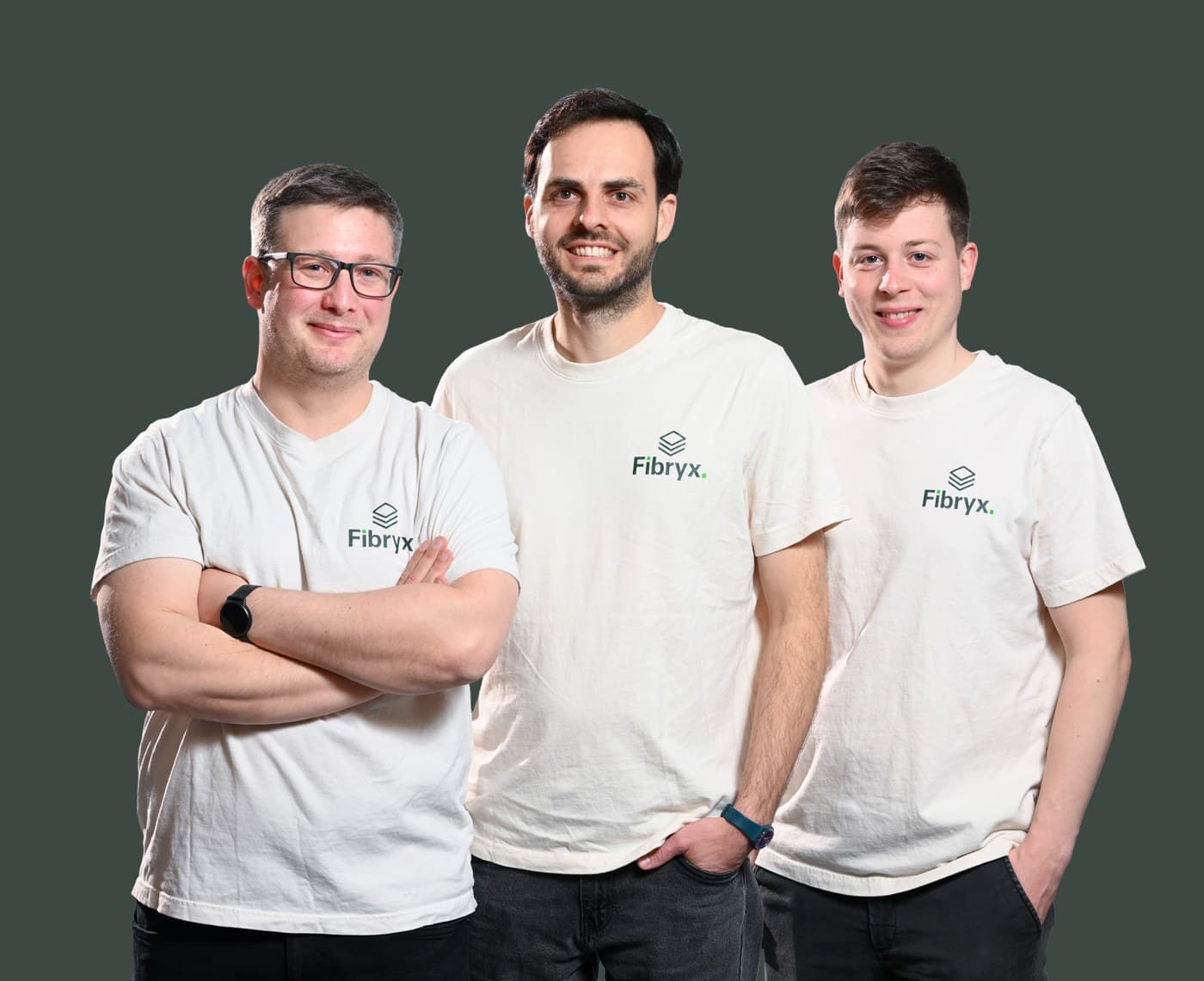
Material, process and industrialization thought through together from the start — so an idea becomes a series-ready part.

Strategy, management and market — the entrepreneurial bracket around material, process and part.

Material and process technology — from the material to the reproducible process window.

Operations, manufacturing and industrialization — the path from concept to robust series production.
Behind every series part stands a team of material and manufacturing engineers — which we are deliberately expanding.
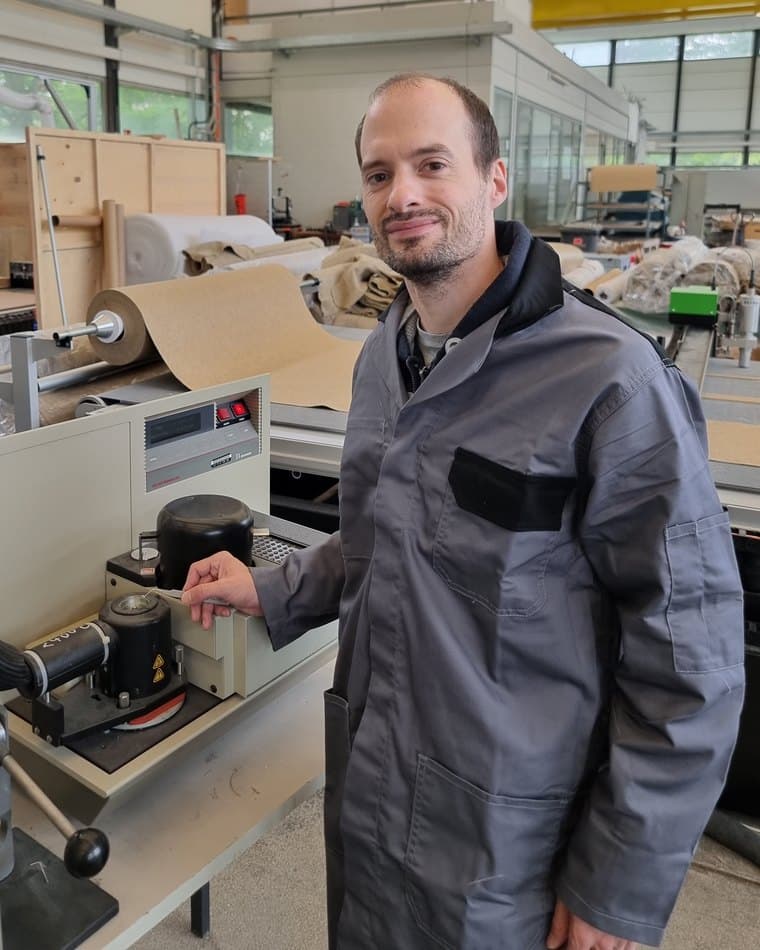
Material and layup design, impregnation and material qualification.
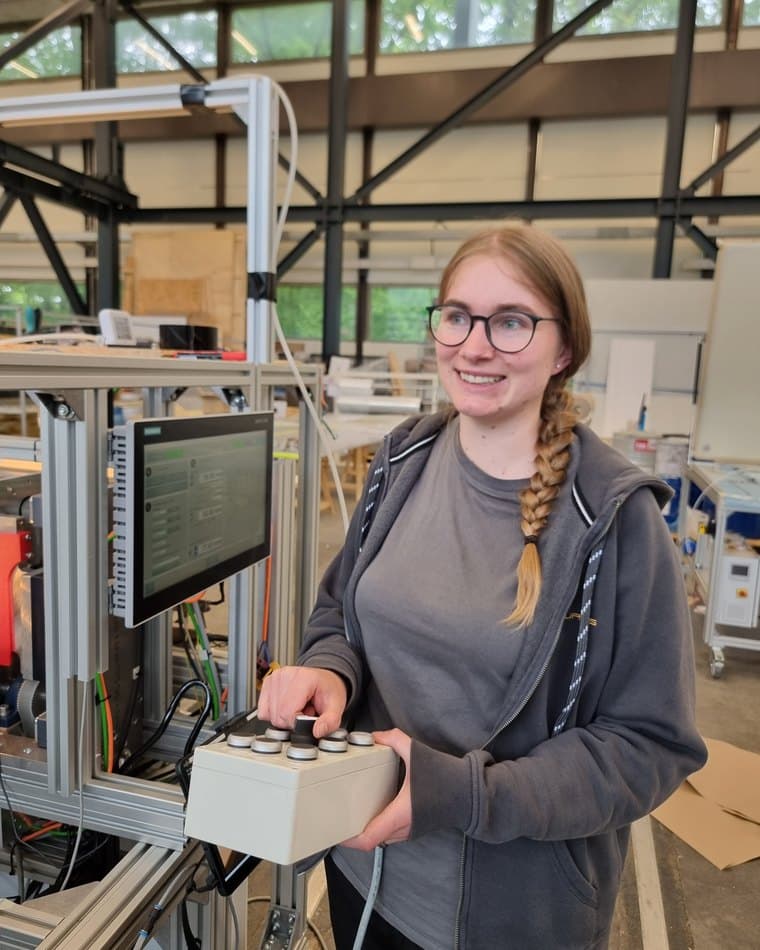
Process engineering, equipment and the transfer into series production.
From research into manufacturing — together we make natural fiber composite industrial.
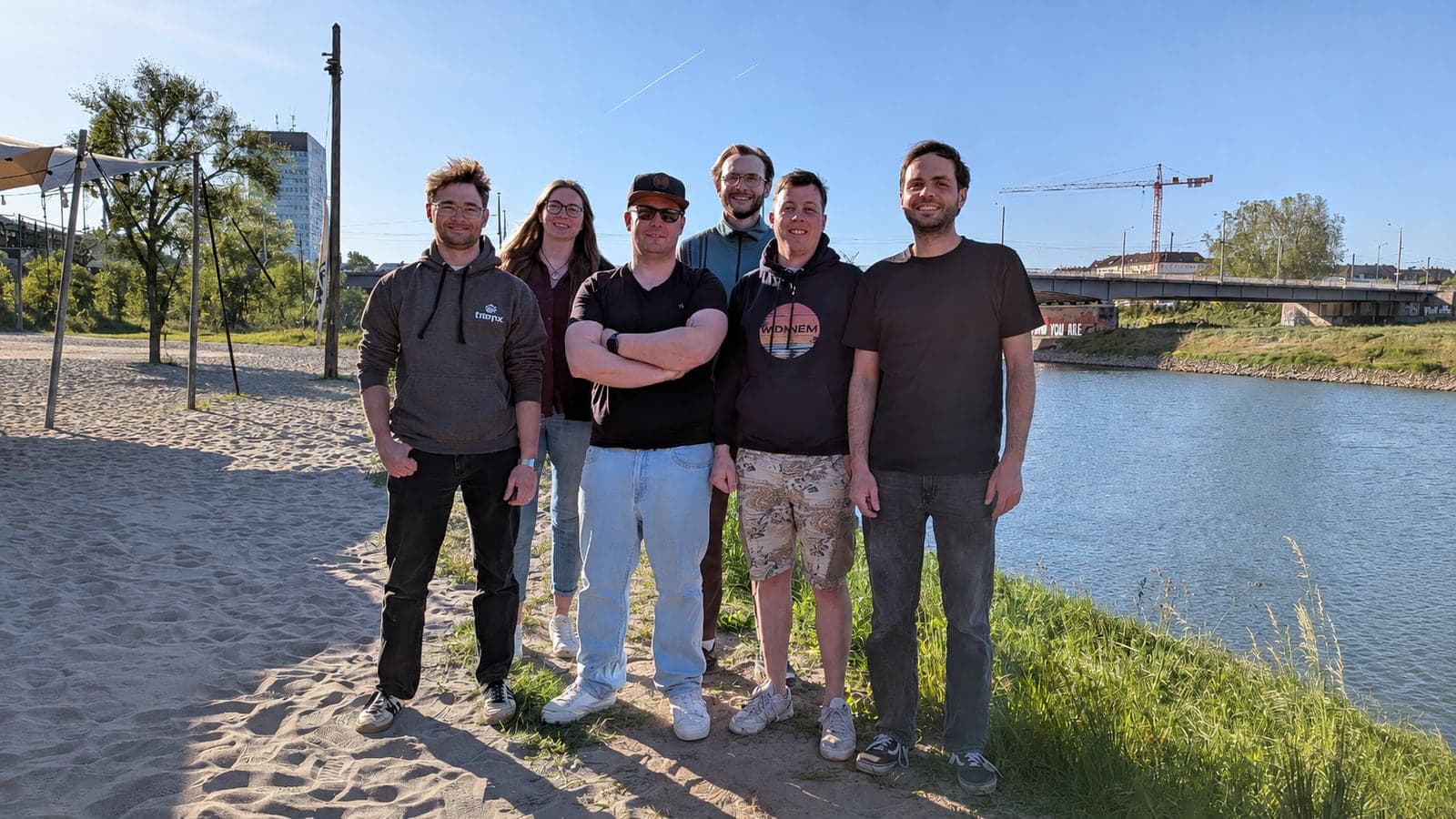
From the University of Stuttgart into industrial manufacturing — with a growing team of material, process and engineering expertise.
Natural-fibre composite rarely fails on a single discipline. It fails at the interface: a material that convinces in the lab cannot be reproduced in the mould. A process that works on a sample does not hold up to series cycle times. A design that adds up on paper is not economically viable.
That is why the founding team is set up along exactly these three axes — material, process and industrialisation. Decisions on layer build-up, process window and part costs are not taken one after another but together. That is the reason series components actually emerge from the technology.
Fibryx is a spin-off of the University of Stuttgart. The technology for processing and impregnating natural fibres comes from that work and is covered by our own intellectual property rights. What stands in the hall in Neuhausen auf den Fildern today is the industrial translation of what began there.
A series component passes through several hands. These roles are involved.
Material selection, layer build-up, resin system and additives — and the question of whether the material carries the requirement at all.
Impregnation, process window, cycle time and reproducibility. This is where it is decided whether a sample becomes a series.
Part and tooling design, fastening points, tolerances and demouldability.
Daily operation: placing, consolidating, trimming, finishing — and checking that each part matches the last.

Send us a drawing, an existing GFRP part or an idea — we'll get in touch and assess the potential for natural fiber composite together.
Request a part →