

DE / ENRequest a part →
Side cladding, roof modules, flaps and covers — manufactured as light, ready-to-fit components with a defined surface, fit and function.
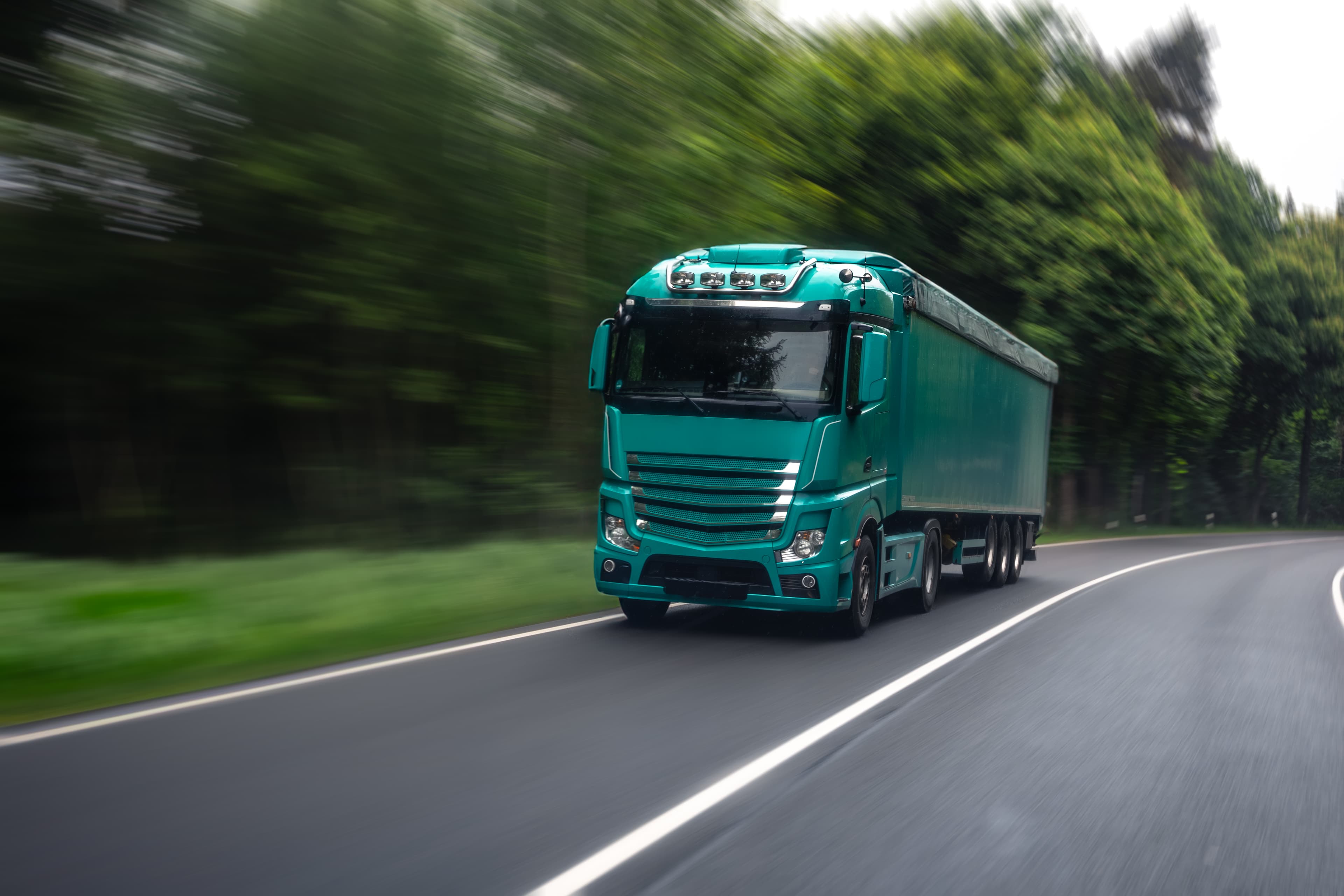
Today every part has to meet several goals at once — that is exactly where natural fiber composite comes in.
Large-area and light, with a defined visible surface.
Aerodynamics meets lightweight design — stiff and light as a sandwich part.
Ready to fit incl. hinge and fastening points.
Complex geometries with high surface quality.
Impact-resistant, weatherproof and repair-friendly.
Cladding parts become functional components.
NFRP reduces not only weight but directly the part cost — with properties comparable to GFRP.
Lower density and an optimized layup reduce material usage per part — directly cost-effective.
Semi-automated impregnation and digitally defined processes reduce manual work and manufacturing cost.
Short cycle time through the reusable vacuum hood and ready-to-fit delivery save follow-up costs.
In commercial-vehicle construction, a large share of the plastic parts covers surfaces that are big and visible but do not work at their strength limit: side cladding, roof modules, service and cover flaps. That is exactly where a lower material density has the most immediate effect, because the weight comes mainly from surface area rather than from locally highly loaded zones.
The conflict of objectives is particularly sharp in this sector: payload, range and CO₂ targets push on weight, while requirements for surface, fit and function integration keep rising — and part costs are supposed to fall anyway. A change of material alone does not solve that. It only becomes economical when layer build-up and manufacturing process are designed together for the specific part.
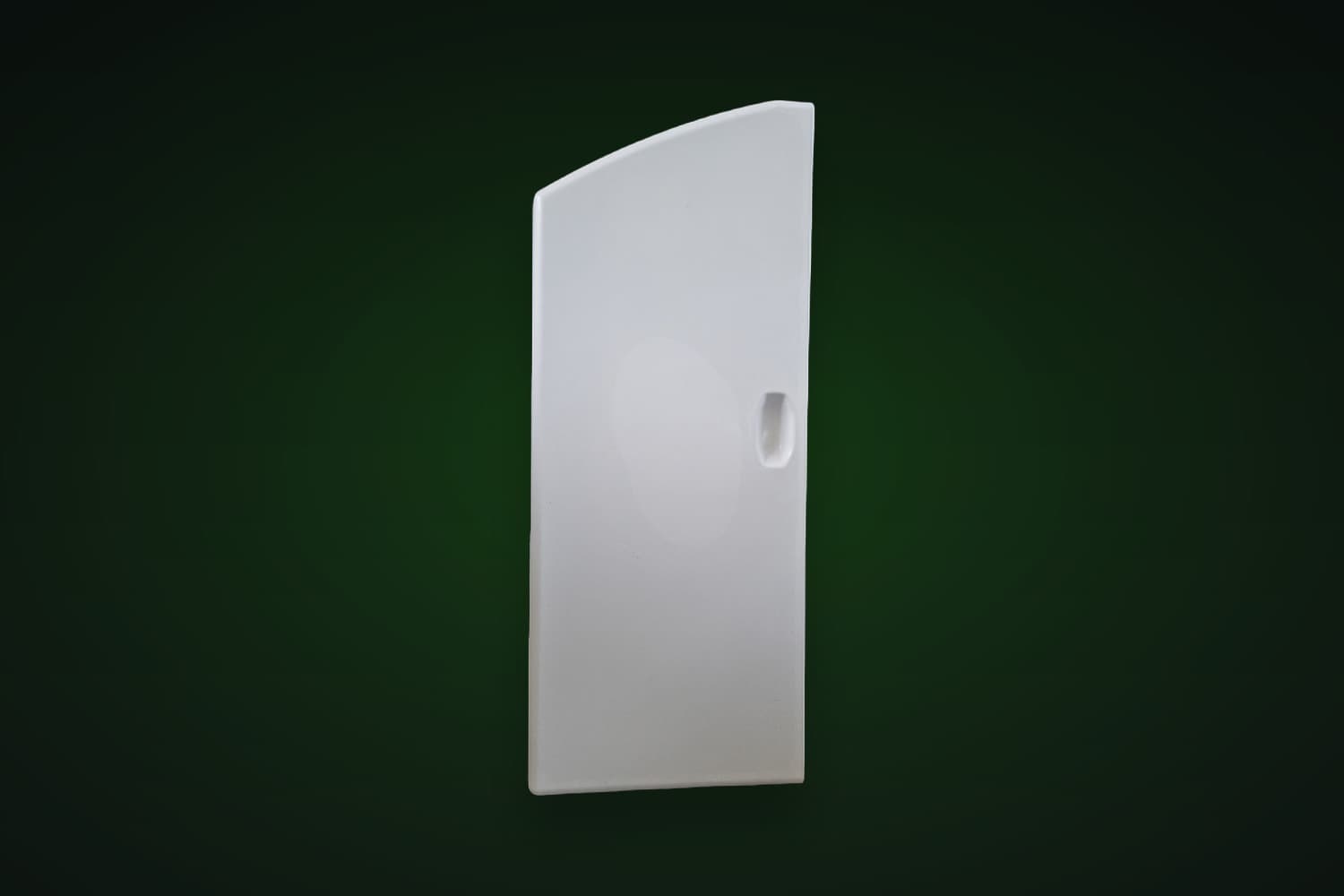
Concept, material, tooling, manufacturing and assembly with one partner — fewer interfaces, less risk.
Digitally recorded process parameters ensure consistent part quality — up to ~5,000 units / year.
Patented NFK Wetpreg Molding and in-house material design as a real differentiator.








One continuous path — series-ready and reproducible.
Requirements, packaging, interfaces — thought through from the first concept.
Stiffness, temperature, vibration, weather and fastening points.
Natural-fiber plies, resin system, sandwich layup, local reinforcements.
Sample parts, demonstrators, fit trials, iteration on the real part.
Prototype and series tooling, process window, trimming, quality assurance.
Gelcoat, painting, inserts, fastening points, ready-to-fit delivery.
You don't have to commit right away: send us an existing GFRP part, a drawing or an idea. We assess the potential — and you see whether the path is worth it.

Send us a drawing, an existing GFRP part or an idea — we'll get in touch and assess the potential for natural fiber composite together.
Request a part →