
DE / ENRequest a part →
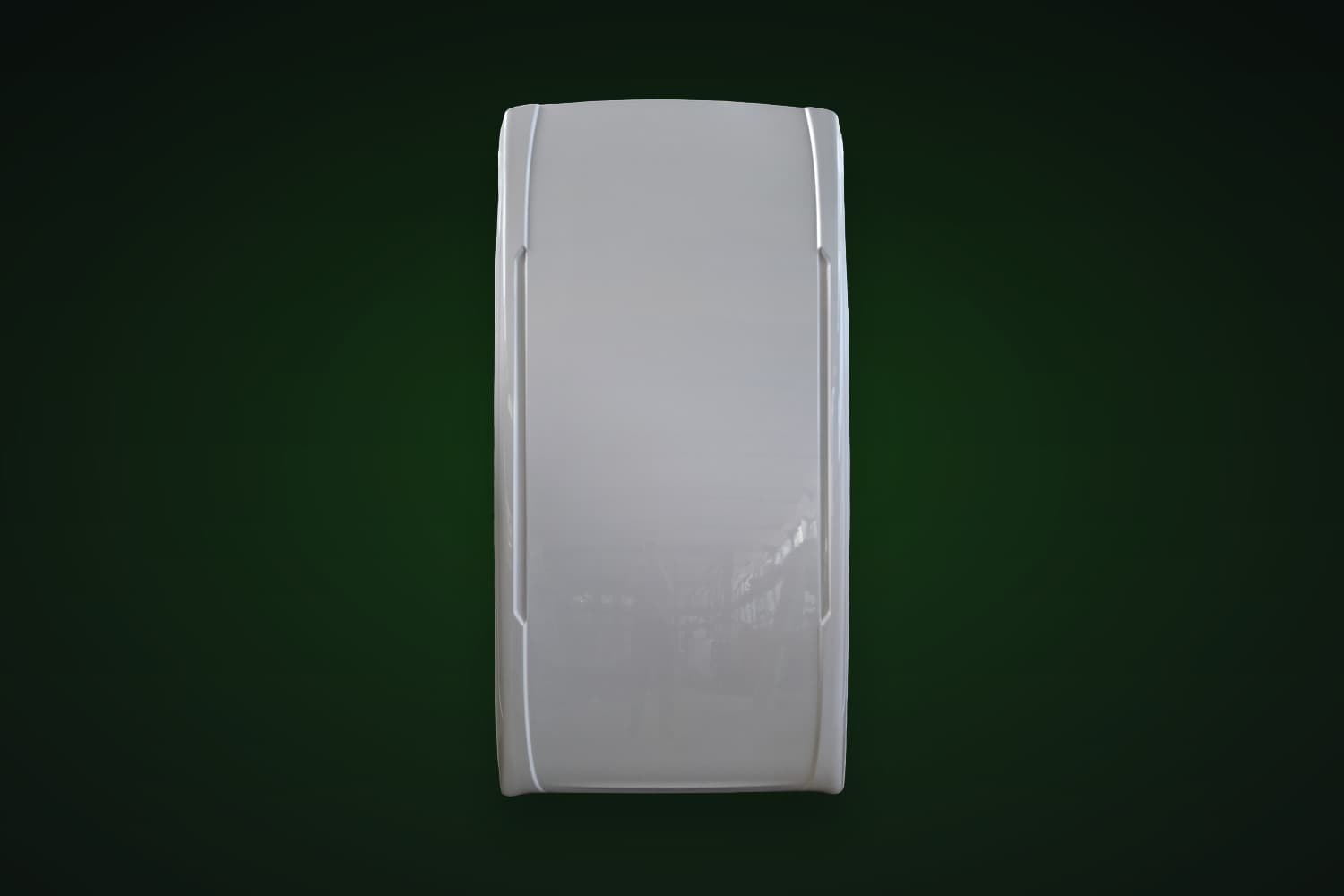
Pop-up roofs, roof shells, bulkheads and visible parts — light, damping and with a high-quality natural-fiber surface.
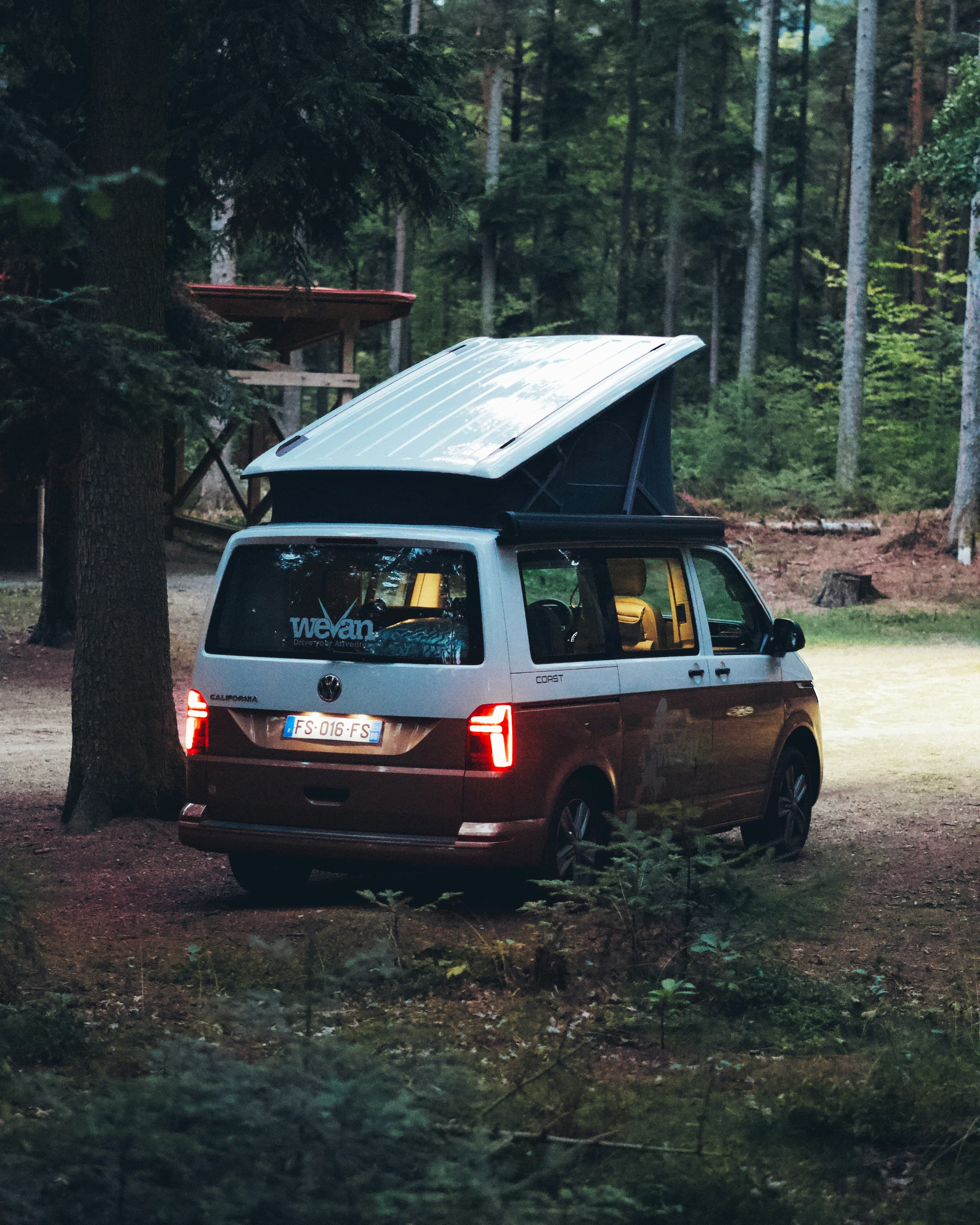
Today every part has to meet several goals at once — that is exactly where natural fiber composite comes in.
Large-area, stiff and light — as a sandwich part.
Aerodynamic, weatherproof, with a defined surface.
Light and dimensionally stable, with function integration.
Lightweight in the interior — with a natural-fiber look in visible areas.
High-quality surface at low weight.
More payload, more comfort, less weight.
NFRP reduces not only weight but directly the part cost — with properties comparable to GFRP.
Lower density and an optimized layup reduce material usage per part — directly cost-effective.
Semi-automated impregnation and digitally defined processes reduce manual work and manufacturing cost.
Short cycle time through the reusable vacuum hood and ready-to-fit delivery save follow-up costs.
Hardly any sector feels part weight as directly as caravan and motorhome construction. The permissible gross mass is capped by law, every kilogram in the body is missing from the payload — and equipment levels keep growing. Large-area parts such as pop-up roofs, roof shells and bulkheads are therefore the lever with the greatest effect.
On these parts, bending stiffness decides, not tensile strength. A sandwich build-up separates the two tasks: the light core holds the face layers apart and delivers the stiffness, while the natural-fibre face layers carry the loads. On top of that comes a property that is immediately noticeable in the living area and that glass fibre does not offer — the fibre structure absorbs vibration and noise differently.
Concept, material, tooling, manufacturing and assembly with one partner — fewer interfaces, less risk.
Digitally recorded process parameters ensure consistent part quality — up to ~5,000 units / year.
Patented NFK Wetpreg Molding and in-house material design as a real differentiator.








One continuous path — series-ready and reproducible.
Requirements, packaging, interfaces — thought through from the first concept.
Stiffness, temperature, vibration, weather and fastening points.
Natural-fiber plies, resin system, sandwich layup, local reinforcements.
Sample parts, demonstrators, fit trials, iteration on the real part.
Prototype and series tooling, process window, trimming, quality assurance.
Gelcoat, painting, inserts, fastening points, ready-to-fit delivery.
You don't have to commit right away: send us an existing GFRP part, a drawing or an idea. We assess the potential — and you see whether the path is worth it.

Send us a drawing, an existing GFRP part or an idea — we'll get in touch and assess the potential for natural fiber composite together.
Request a part →