
DE / ENRequest a part →
Low density, natural damping and a biogenic raw material base — part concepts that can be recalculated technically, ecologically and economically.
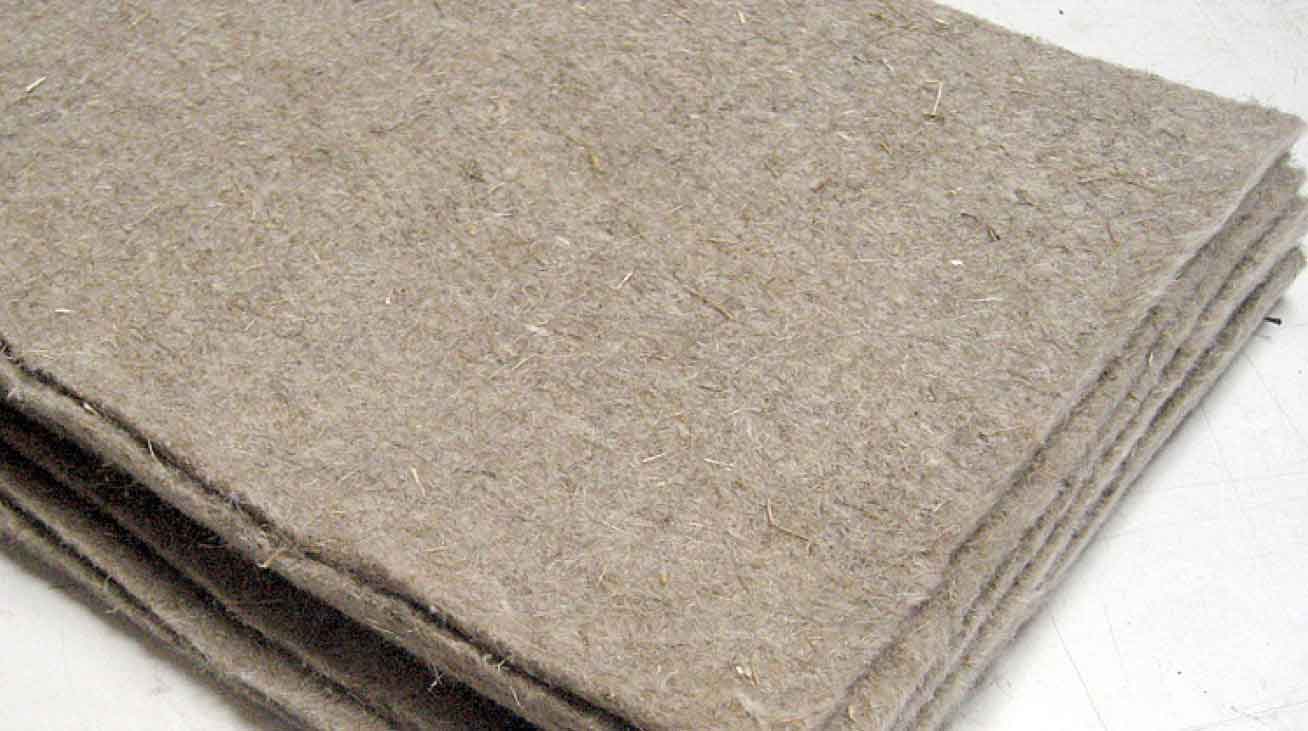
Natural fibers have a much lower density than glass fibers, aluminum or wood — opening up new possibilities in lightweight design.
Europe's agriculture and textile industries have been established and efficient for centuries — European NFRP is competitive.
The fiber structure absorbs vibration and noise differently than classic reinforcing fibers — relevant for large-area vehicle parts.
Renewable raw materials instead of mining. Storing biogenic carbon instead of the high CO₂ emissions of energy-intensive fibers.
Fibers from industrial hemp, flax and others are available in Europe at low cost, in large quantities and with an efficient value chain.
Fast-growing, robust fiber with high specific stiffness — grown and processed in Europe (France, Netherlands, Germany).
Fine, high-performance fiber with a long European textile tradition — good mechanical properties and surface.
Depending on the load case: nonwovens for flat parts, woven and unidirectional fabrics for targeted reinforcement.
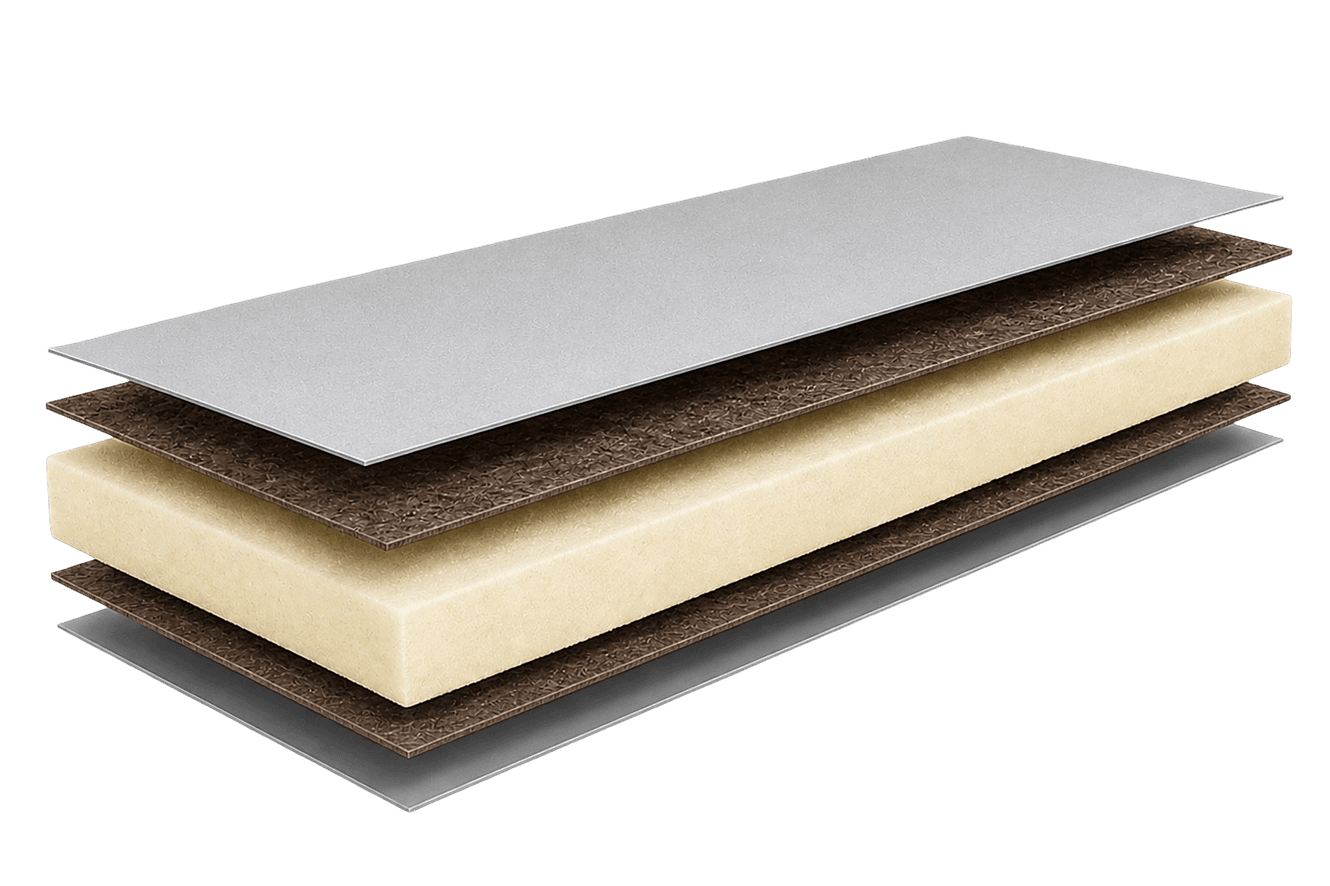
Gelcoat, natural-fiber reinforcement, PU core and functional layers — combined in a defined way for large, stiff and light parts.
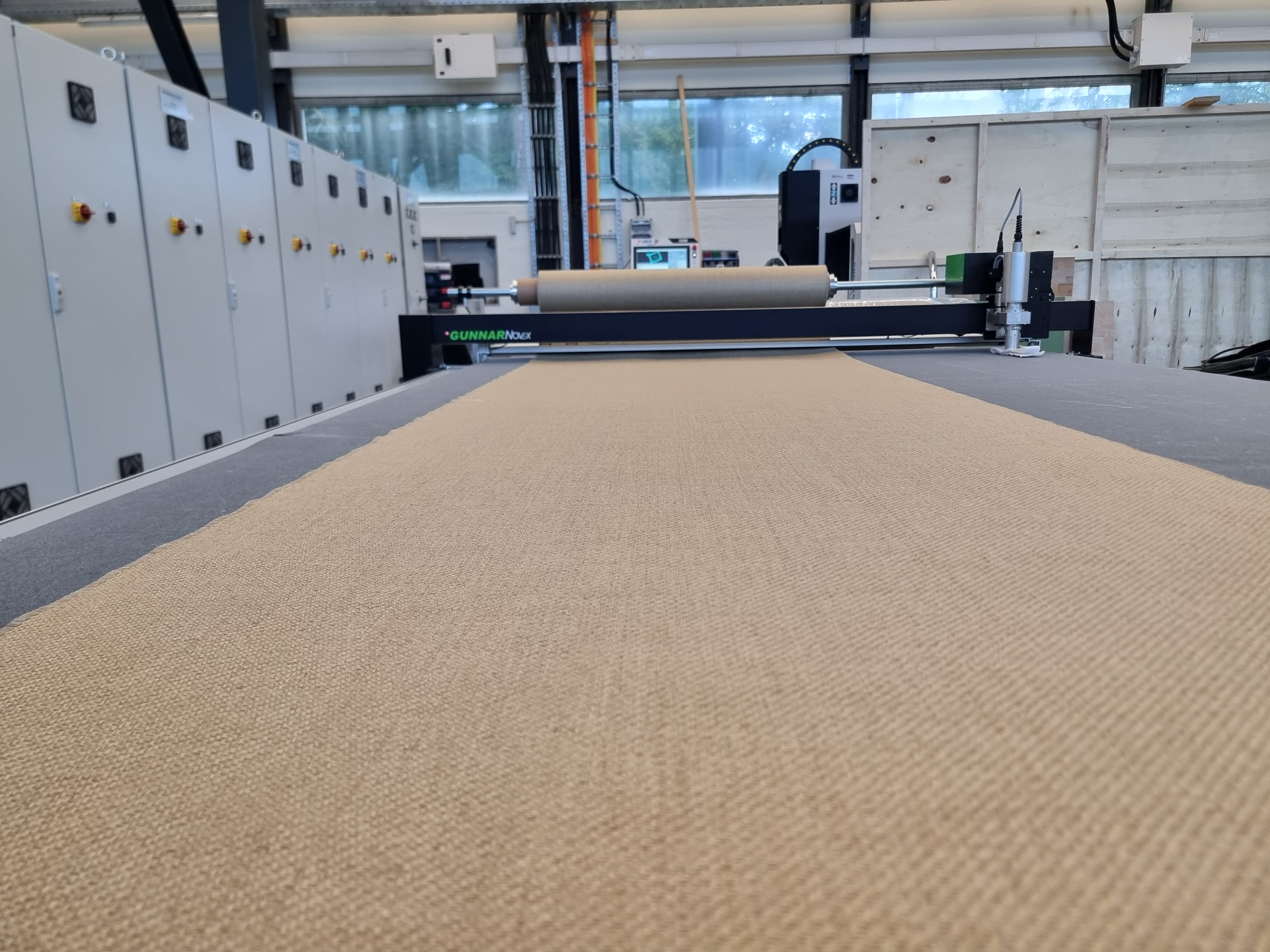
Natural fibers bring fiber-reinforced plastics into the 21st century: lighter, damping, European. For large-area visible and cladding parts they are a real structural alternative — not a green add-on.
Established, low-cost, high strength — the standard for many composite parts.
Higher density, mineral and energy-intensive, less damping, a worse CO₂ balance.
NFRP is the lighter, more sustainable alternative — especially for large-area visible and cladding parts.
Highest stiffness and strength at very low weight — for highly loaded structures.
Very expensive and energy-intensive to produce.
For large-area cladding and structural parts, NFRP hits the economic sweet spot — without CFRP costs.
The economic lever comes not from the fiber price, but from the interplay of material usage, part weight and manufacturing process.
If you want to know what a natural-fibre composite actually is, how it is built up and where its limits lie — here is the material at a glance.

Send us a drawing, an existing GFRP part or an idea — we'll get in touch and assess the potential for natural fiber composite together.
Request a part →What NFRP is, how it is built up and where its limits lie.
Learn more →The process behind it — including a comparison with RTM and hand lamination.
Learn more →When switching from a glass-fibre part pays off — and when it does not.
Learn more →