
DE / ENRequest a part →
What NFRP is, how it is built up, where it performs technically — and where its limits are. An overview for engineering and procurement.
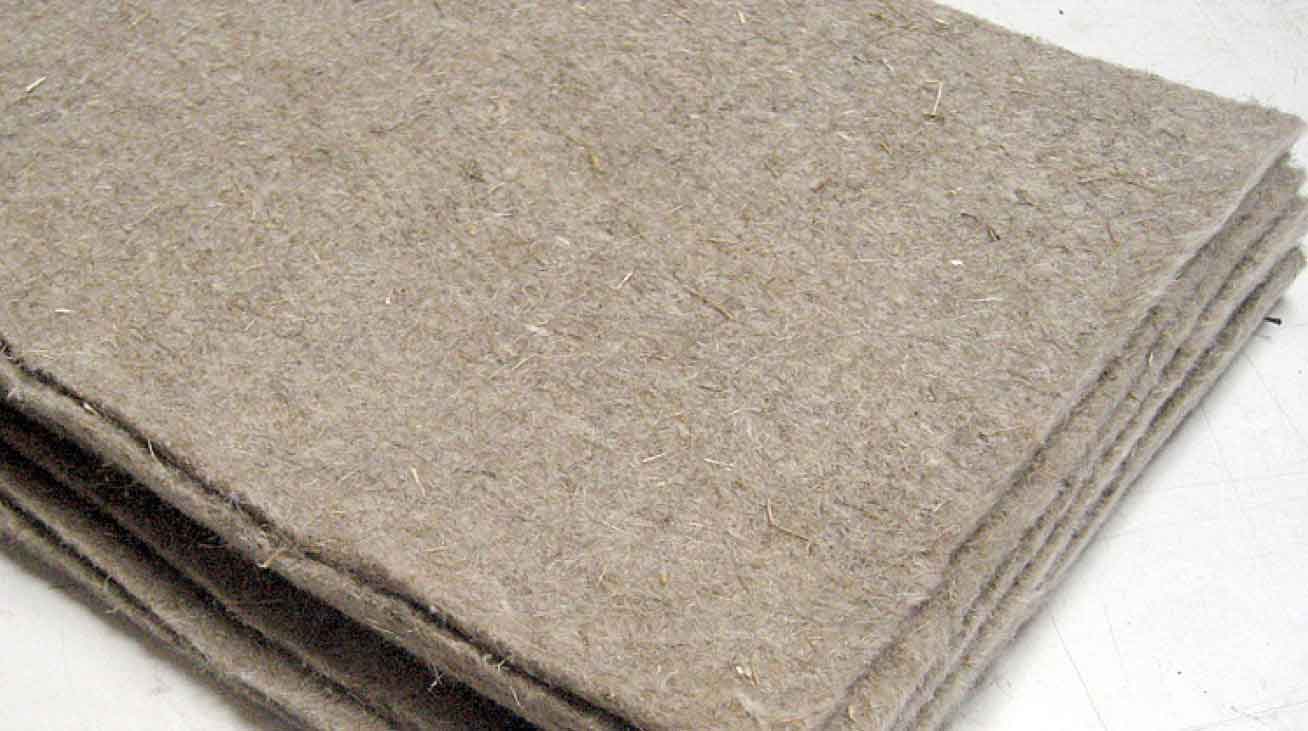
A natural-fibre composite — NFRP for short, also called natural-fibre-reinforced plastic — consists of two components: a polymer matrix and reinforcing fibres of plant origin. The fibres carry the load, the matrix transfers it between them and protects them from environmental influences.
The principle is the same as for glass-fibre-reinforced plastic (GFRP). The difference lies in the reinforcement: it comes from hemp or flax instead of molten glass — with noticeable consequences for density, damping and CO₂ footprint.
An NFRP part is not made from one material but from a coordinated build-up. The load case decides which fibre form is used.
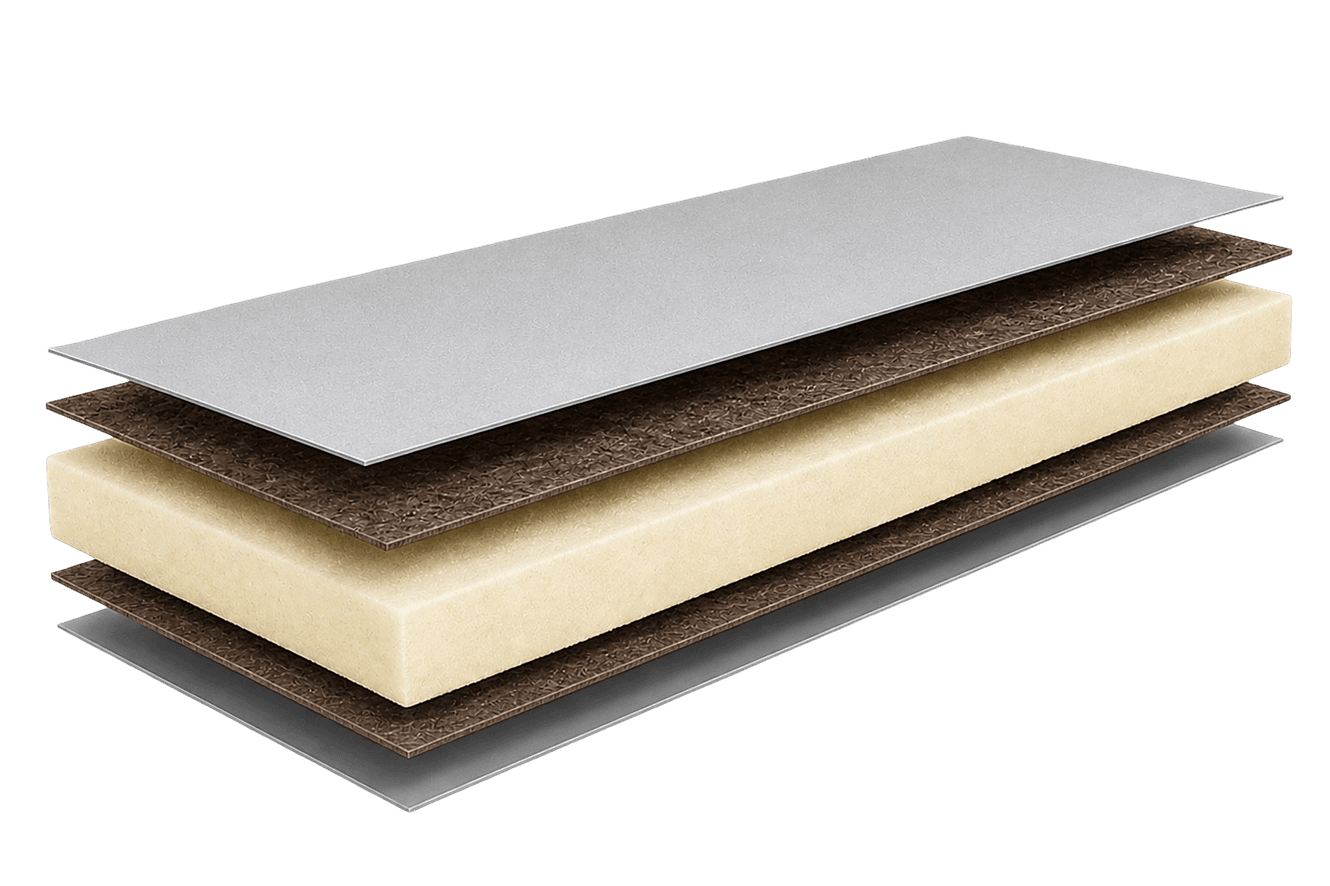
It transfers the load between the fibres, gives the part its shape and protects the fibre from moisture and weathering. Moisture and fire behaviour are set deliberately through the resin system and additives.
Randomly laid fibres for flat components with uniform properties.
Interwoven fibres for parts carrying loads in several directions.
Unidirectionally aligned fibres for targeted reinforcement along the load path.
The figures show where the material has its strengths: weight, damping and CO₂ footprint.
CO₂ footprint: own calculation based on measurements and database sources. Raw material base: refers to the reinforcing fibre or the metal.
The focus is on large-area cladding, visible and functional parts in vehicle and machinery construction — wherever surface area, weight and finish come together.


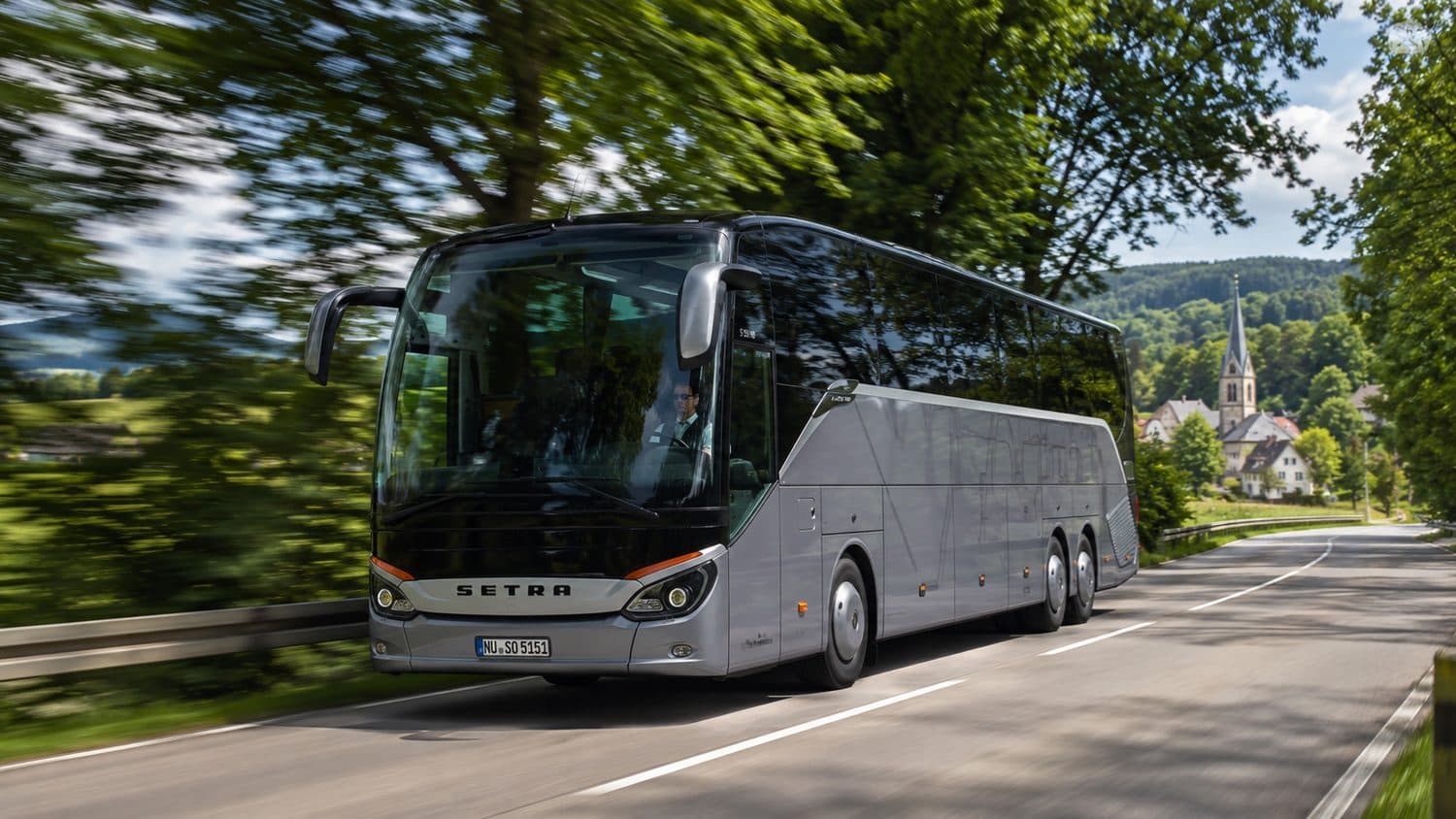

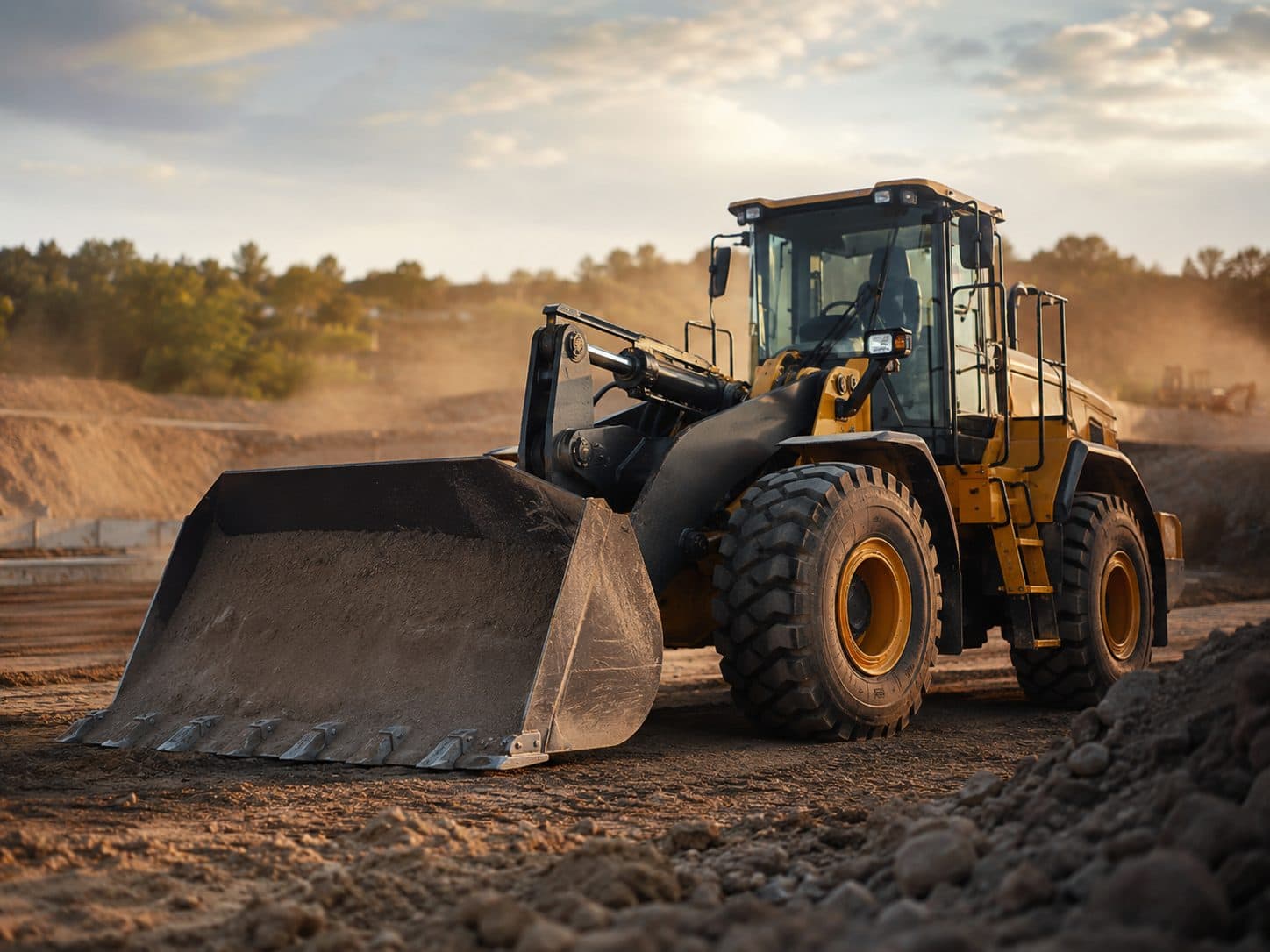

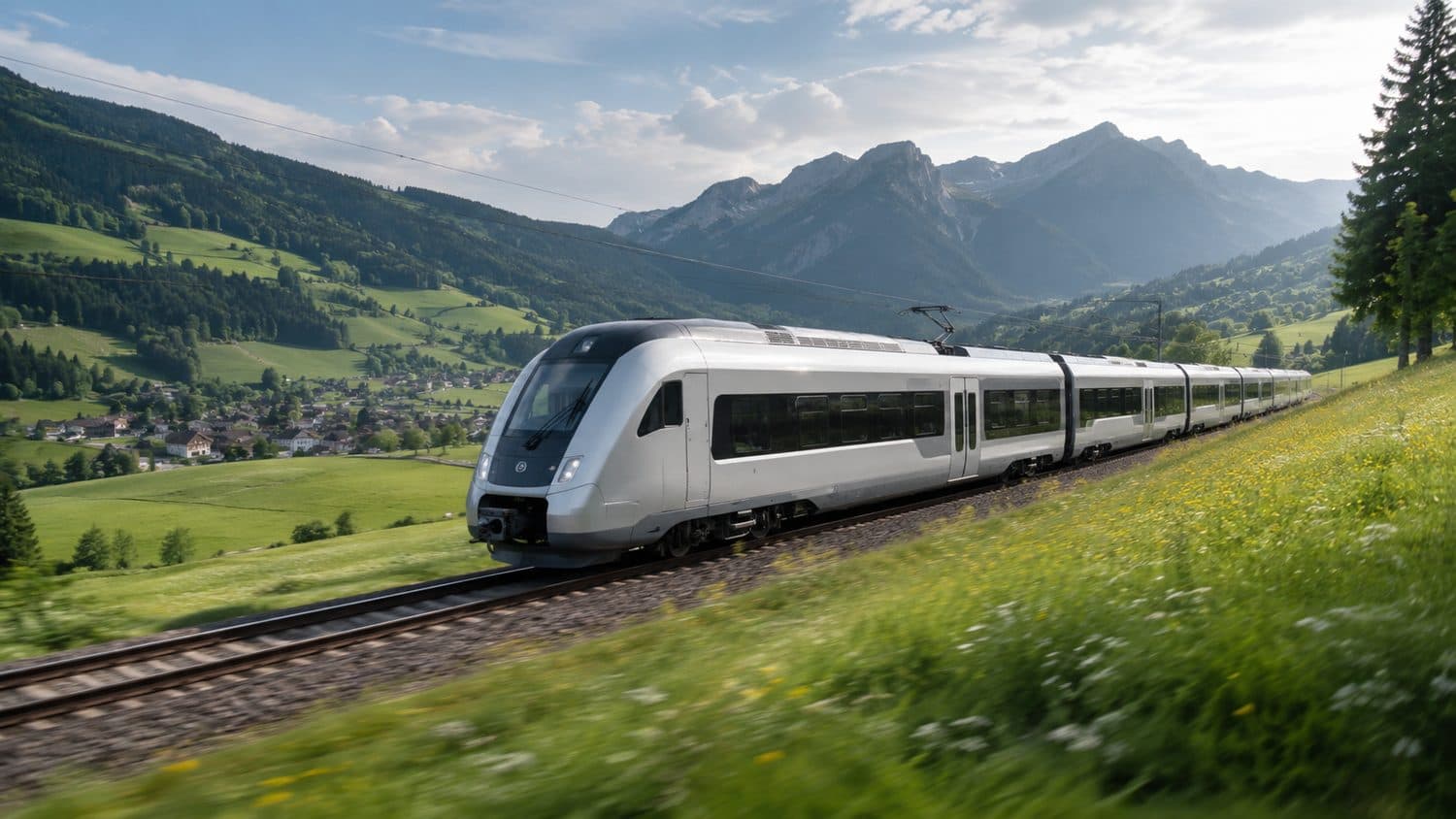

A material is only as good as its fit to the application. We clarify these points before every project.
Where maximum stiffness and strength at minimum weight are required, carbon fibre remains the technically correct choice.
Natural fibres react to moisture. Resistance is set deliberately via the resin system, additives and layer build-up — that belongs in the design, not at the end.
Fire behaviour can be adjusted through additives in the resin system. Requirements in rail applications, for example, are assessed at the concept stage before a part is designed.
Then the question is less what NFRP is — and more whether the switch pays off for your part.

Send us a drawing, an existing GFRP part or an idea — we'll get in touch and assess the potential for natural fiber composite together.
Request a part →